Latency Thresholds: Ping Times to Global Servers
Mapping fiber optic latency, autonomous system number (ASN) routing, and acceptable downtime tolerances for remote personnel.
Fiber Optic Routing and Infrastructure
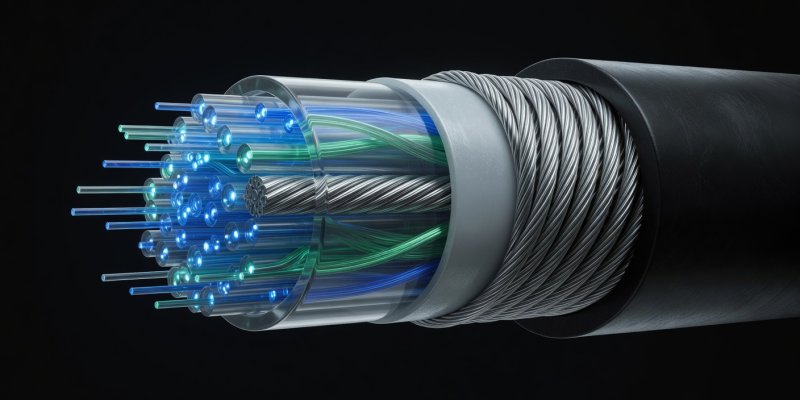
For corporate relocation and digital nomad integration, bandwidth is not merely a lifestyle amenity; it is a critical logistical prerequisite. Personnel requiring continuous connection to central enterprise servers, virtual private networks (VPNs), and remote desktop protocol (RDP) environments require highly stable, low-jitter connections. Evaluating a target nation's telecommunications backbone involves assessing the tier of local Internet Service Providers (ISPs), international peering agreements, and submarine cable landing stations.
Locations such as Tallinn, Estonia, rely heavily on Baltic Sea submarine cables connecting to major Scandinavian data hubs (like Stockholm). This produces minimal physical distance for fiber routing to Northern European data centers but introduces predictable delay bounds for North American connections.
Standardized Latency Metrics
Network engineers monitor ICMP echo requests (ping) and packet loss parameters to determine if a specific country's infrastructure is suitable for operations. Standard video conferencing systems generally tolerate up to 150ms of latency before noticeable conversational overlap occurs. Secure shell (SSH) or remote financial terminal operations may demand thresholds below 80ms.
| Target Hub | Origin Server | Average Latency (ms) | Jitter Tolerance |
|---|---|---|---|
| Tallinn, EE | London, UK | 35 - 45 | Low |
| Tallinn, EE | New York, US (East) | 105 - 120 | Medium |
| Dubai, AE | Frankfurt, DE | 110 - 130 | Medium |
| Malaga, ES | London, UK | 40 - 55 | Low |
"Sustained packet loss exceeding 1.5% renders remote terminal environments functionally inoperable for high-frequency trading or database synchronization tasks."
Redundancy and Failover Frameworks
Relying on a single terrestrial broadband connection presents unacceptable operational risk. A compliant remote environment requires secondary cellular redundancy—typically 5G NR (New Radio) configurations. Nations with extensive cellular network deployment (such as South Korea, UAE, and parts of Spain) offer robust failover. Corporate logistics managers must ensure that supplied enterprise edge routers support automatic WAN failover to cellular modems without requiring user intervention, maintaining continuous IPsec tunnel viability during primary outages.