Equipment Import: Hardware Logistics
Customs duties, encrypted storage transport, and ATA Carnet deployment for enterprise IT assets.
Customs Duties and Import Taxation
Deploying corporate-owned hardware (laptops, edge routers, secondary monitors) to a remote employee internationally triggers customs and import tax assessments. Shipping hardware valued over a specific de minimis threshold often incurs Value Added Tax (VAT) and import tariffs. Failure to declare these items properly results in impoundment at the port of entry, severing the employee's ability to connect to corporate infrastructure.
ATA Carnets for Temporary Deployment
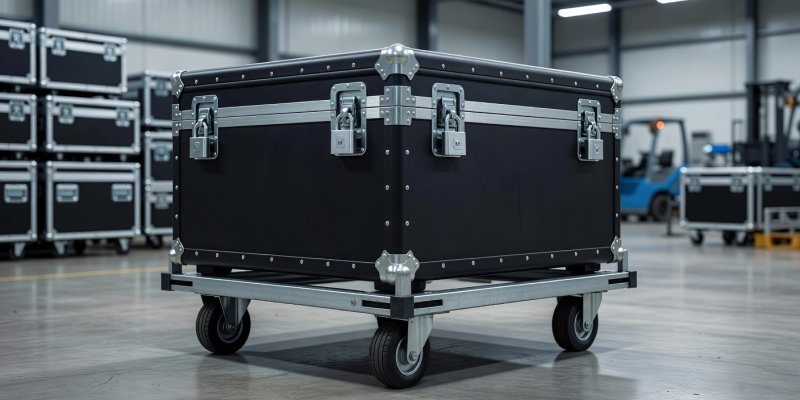
For temporary remote assignments, logistics departments frequently utilize an ATA Carnet. Often described as a "passport for goods," the Carnet allows for the temporary importation of commercial samples, professional equipment, and exhibition goods without paying duties or taxes, provided the hardware is exported back to the origin country within 12 months. This is a critical legal tool when outfitting highly specialized personnel with expensive testing or network analysis hardware.
"Attempting to claim high-value enterprise networking equipment as 'personal effects' upon port entry is a direct violation of customs law and results in immediate asset seizure."
Encryption Export Controls
Information security protocols mandate that all enterprise devices utilize full-disk encryption (FDE) and TPM-backed secure boot sequences. However, certain jurisdictions restrict the importation of strong cryptographic hardware or require licenses to operate them. For example, specific cryptographic modules cannot be legally exported from the United States to embargoed nations, and certain transit hubs require declarations for hardware carrying symmetric encryption keys exceeding 256 bits.
In addition, logistics managers must navigate lithium-ion battery transport regulations (IATA DGR) when shipping uninstalled backup power supplies or large capacity portable batteries for remote redundancy setups, limiting air-freight options and dictating strict surface-transit routes.